


 Contact us
 Share on social
 Share with a friend
Share on social

 Facebook
-
 LinkedIn
 Twitter
The Invisible Burnout Women in Business Carry and How It Shows on Our Skin
Thursday 12 February 2026
.png?lang=en-GB&ext=.png)
Burnout in women rarely looks the way we expect it to. It does not usually arrive as crisis or collapse, nor does it always force life to grind to a halt. More often, it accumulates quietly over years of responsibility, ambition and emotional labour. Women continue to function, lead and succeed, even as their internal reserves are steadily depleted.
Many high-performing women would never describe themselves as burnt out. They are organised, capable and outwardly coping. Yet beneath the surface there is often persistent fatigue, disrupted sleep, irritability and a growing sense that the body no longer responds the way it once did. This disconnect between external competence and internal depletion is where invisible burnout lives.
One of the earliest places this cumulative strain becomes visible is the skin.
Why the Skin Often Speaks First
Skin is not separate from wellbeing. It is a living, responsive organ that reflects what is happening internally. When the body is exposed to prolonged stress, cortisol levels remain elevated. Cortisol is designed for short bursts of survival, not constant exposure. Over time, chronically raised cortisol interferes with collagen production, weakens the skin barrier and increases inflammation.
The result is skin that looks dull, fragile or prematurely aged. Many women describe sudden changes such as- increased sensitivity, breakouts, pigmentation or a loss of resilience, without a clear trigger. These changes are often dismissed as ageing or bad luck, but they are frequently physiological responses to sustained pressure.
This is not vanity. It is the body communicating through one of its most visible systems.
The Cost of Normalising Poor Sleep
Sleep deprivation intensifies the effects of chronic stress. Sleep is the period during which the body carries out essential repair, releasing growth hormone, regulating inflammation and restoring cellular function. Yet many women in business treat sleep as optional, something to be sacrificed in the name of productivity, caregiving or simply getting everything done.
Over time, disrupted or insufficient sleep contributes to fatigue, brain fog and emotional reactivity. It also slows skin repair, increases sensitivity and deepens fine lines and puffiness. A nervous system that never fully rests cannot regenerate effectively, no matter how good the skincare routine.
Poor sleep is often framed as a lifestyle issue, but its effects are biological. Treating it as inconsequential comes at a cost.
The Mental Load That Never Switches Off
Alongside stress and sleep sits a factor that is rarely acknowledged but deeply influential: the mental load. Beyond professional responsibility, women often carry the invisible labour of remembering, planning, anticipating and emotionally regulating, for teams, families and relationships.
This constant background processing keeps the nervous system in a state of low-grade activation, even during supposed downtime. The body never fully switches off. Over time, this sustained activation erodes resilience and recovery capacity.
Many women describe feeling “wired and tired”, exhausted yet unable to rest. This state is not a personal failing. It is a predictable response to prolonged cognitive and emotional demand.
Hormones, Stress and Subtle Imbalance
When the nervous system remains chronically activated, hormonal balance is affected. Progesterone, which has a calming effect on the nervous system, is particularly sensitive to stress. When progesterone is suppressed, women may experience increased anxiety, poorer sleep and heightened inflammation. Testosterone, which supports energy, motivation and physical vitality, may also decline.
These changes are often subtle and may not show clearly on routine blood tests. However, they are felt in day-to-day life, through fatigue, low mood, reduced resilience and changes in the skin and hair. The skin frequently reflects these shifts early, acting as an external signal of internal imbalance.
Rather than interpreting these signs as messages, many women blame themselves, assuming they are ageing badly or failing to take care of themselves properly.
What This Looks Like in Practice
In practice, many of the women I meet arrive asking about their skin, but quickly realise the conversation needs to go deeper. They are business owners, professionals, leaders and mothers who feel they have “lost themselves” somewhere along the way. Often, they apologise for feeling tired, or minimise their symptoms, despite living in a state of near-constant demand.
Our work together starts with listening. We talk about sleep, stress, workload, hormones and expectations not just skin concerns. From there, we develop a treatment plan that supports the whole person, not just their appearance. This might involve addressing skin barrier damage, supporting collagen health or improving hydration, alongside honest conversations about rest, recovery and realistic capacity.
For many women, the most valuable part of this process is having their experience validated. Being told that what they are feeling is not failure or weakness, but a physiological response to prolonged pressure, is often a turning point. When care is collaborative rather than corrective, women feel empowered rather than judged.
What Recovery Actually Requires
Recognising invisible burnout is not about alarm. It is about awareness. Burnout is not a character flaw; it is a physiological response to prolonged demand without sufficient recovery.
Supporting the body out of this state requires more than simply stopping work. True recovery involves creating conditions that allow the nervous system to down-regulate. This means protecting sleep as a non-negotiable, reducing evening stimulation and allowing moments of genuine mental quiet during the day. Rest that still involves scrolling, multitasking or catching up rarely provides true restoration.
Nutrition also matters. Chronic stress increases the body’s demand for protein, micronutrients and antioxidants. When the body is under-fuelled, it prioritises survival over repair, and the skin is often one of the first areas to show it. Meeting increased physiological demand is not about optimisation; it is about adequacy.
Boundaries play a crucial role. Many women operate in a constant state of availability, responding to demands without pause. Over time, this erodes resilience. Protecting time, reducing unnecessary cognitive load and delegating where possible are not signs of weakness; they are strategies for sustainability.
Rest Is Not Something to Be Earned
Perhaps the most difficult shift is internal. Many women feel guilt when they slow down, rest or prioritise themselves. Productivity has become entwined with worth. Rest is often treated as a reward. Something permitted only once everything else is done.
Yet rest is not indulgence. It is a biological requirement. Ignoring early signs of burnout does not lead to resilience; it leads to depletion.
Burnout does not mean something has gone wrong. It means something has been asked to carry too much for too long. The body, including the skin, often signals this long before the mind is willing to listen.
Sustainable success is not built on constant output or endurance. It is built on systems, boundaries and recovery that allow women to remain well while doing meaningful work. Listening to the early signals of invisible burnout is not weakness. It is an act of self-respect and one that allows success to be sustained rather than survived.
Website: www.soaestheticsni.com
Instagram: https://www.instagram.com/so_aesthetics_ni/
Facebook: https://www.facebook.com/soaestheticsni
Many high-performing women would never describe themselves as burnt out. They are organised, capable and outwardly coping. Yet beneath the surface there is often persistent fatigue, disrupted sleep, irritability and a growing sense that the body no longer responds the way it once did. This disconnect between external competence and internal depletion is where invisible burnout lives.
One of the earliest places this cumulative strain becomes visible is the skin.
Why the Skin Often Speaks First
Skin is not separate from wellbeing. It is a living, responsive organ that reflects what is happening internally. When the body is exposed to prolonged stress, cortisol levels remain elevated. Cortisol is designed for short bursts of survival, not constant exposure. Over time, chronically raised cortisol interferes with collagen production, weakens the skin barrier and increases inflammation.
The result is skin that looks dull, fragile or prematurely aged. Many women describe sudden changes such as- increased sensitivity, breakouts, pigmentation or a loss of resilience, without a clear trigger. These changes are often dismissed as ageing or bad luck, but they are frequently physiological responses to sustained pressure.
This is not vanity. It is the body communicating through one of its most visible systems.
The Cost of Normalising Poor Sleep
Sleep deprivation intensifies the effects of chronic stress. Sleep is the period during which the body carries out essential repair, releasing growth hormone, regulating inflammation and restoring cellular function. Yet many women in business treat sleep as optional, something to be sacrificed in the name of productivity, caregiving or simply getting everything done.
Over time, disrupted or insufficient sleep contributes to fatigue, brain fog and emotional reactivity. It also slows skin repair, increases sensitivity and deepens fine lines and puffiness. A nervous system that never fully rests cannot regenerate effectively, no matter how good the skincare routine.
Poor sleep is often framed as a lifestyle issue, but its effects are biological. Treating it as inconsequential comes at a cost.
The Mental Load That Never Switches Off
Alongside stress and sleep sits a factor that is rarely acknowledged but deeply influential: the mental load. Beyond professional responsibility, women often carry the invisible labour of remembering, planning, anticipating and emotionally regulating, for teams, families and relationships.
This constant background processing keeps the nervous system in a state of low-grade activation, even during supposed downtime. The body never fully switches off. Over time, this sustained activation erodes resilience and recovery capacity.
Many women describe feeling “wired and tired”, exhausted yet unable to rest. This state is not a personal failing. It is a predictable response to prolonged cognitive and emotional demand.
Hormones, Stress and Subtle Imbalance
When the nervous system remains chronically activated, hormonal balance is affected. Progesterone, which has a calming effect on the nervous system, is particularly sensitive to stress. When progesterone is suppressed, women may experience increased anxiety, poorer sleep and heightened inflammation. Testosterone, which supports energy, motivation and physical vitality, may also decline.
These changes are often subtle and may not show clearly on routine blood tests. However, they are felt in day-to-day life, through fatigue, low mood, reduced resilience and changes in the skin and hair. The skin frequently reflects these shifts early, acting as an external signal of internal imbalance.
Rather than interpreting these signs as messages, many women blame themselves, assuming they are ageing badly or failing to take care of themselves properly.
What This Looks Like in Practice
In practice, many of the women I meet arrive asking about their skin, but quickly realise the conversation needs to go deeper. They are business owners, professionals, leaders and mothers who feel they have “lost themselves” somewhere along the way. Often, they apologise for feeling tired, or minimise their symptoms, despite living in a state of near-constant demand.
Our work together starts with listening. We talk about sleep, stress, workload, hormones and expectations not just skin concerns. From there, we develop a treatment plan that supports the whole person, not just their appearance. This might involve addressing skin barrier damage, supporting collagen health or improving hydration, alongside honest conversations about rest, recovery and realistic capacity.
For many women, the most valuable part of this process is having their experience validated. Being told that what they are feeling is not failure or weakness, but a physiological response to prolonged pressure, is often a turning point. When care is collaborative rather than corrective, women feel empowered rather than judged.
What Recovery Actually Requires
Recognising invisible burnout is not about alarm. It is about awareness. Burnout is not a character flaw; it is a physiological response to prolonged demand without sufficient recovery.
Supporting the body out of this state requires more than simply stopping work. True recovery involves creating conditions that allow the nervous system to down-regulate. This means protecting sleep as a non-negotiable, reducing evening stimulation and allowing moments of genuine mental quiet during the day. Rest that still involves scrolling, multitasking or catching up rarely provides true restoration.
Nutrition also matters. Chronic stress increases the body’s demand for protein, micronutrients and antioxidants. When the body is under-fuelled, it prioritises survival over repair, and the skin is often one of the first areas to show it. Meeting increased physiological demand is not about optimisation; it is about adequacy.
Boundaries play a crucial role. Many women operate in a constant state of availability, responding to demands without pause. Over time, this erodes resilience. Protecting time, reducing unnecessary cognitive load and delegating where possible are not signs of weakness; they are strategies for sustainability.
Rest Is Not Something to Be Earned
Perhaps the most difficult shift is internal. Many women feel guilt when they slow down, rest or prioritise themselves. Productivity has become entwined with worth. Rest is often treated as a reward. Something permitted only once everything else is done.
Yet rest is not indulgence. It is a biological requirement. Ignoring early signs of burnout does not lead to resilience; it leads to depletion.
Burnout does not mean something has gone wrong. It means something has been asked to carry too much for too long. The body, including the skin, often signals this long before the mind is willing to listen.
Sustainable success is not built on constant output or endurance. It is built on systems, boundaries and recovery that allow women to remain well while doing meaningful work. Listening to the early signals of invisible burnout is not weakness. It is an act of self-respect and one that allows success to be sustained rather than survived.
Website: www.soaestheticsni.com
Instagram: https://www.instagram.com/so_aesthetics_ni/
Facebook: https://www.facebook.com/soaestheticsni
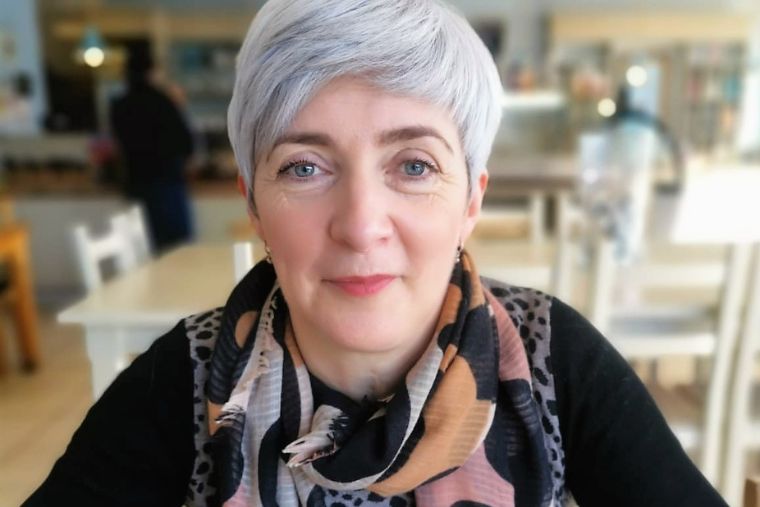
Author Written by Nurse Susie Oakes, Registered Nurse, Independent Nurse Prescriber, Level 7 Diploma in Clinical Aesthetic Injectables and Owner of SO Aesthetics NI
Thursday 12 February 2026



















 Get in touch with us