


 Contact us
 Share on social
 Share with a friend
Share on social

 Facebook
-
 LinkedIn
 Twitter
Why the people side of change is often harder than the strategy
Friday 13 February 2026
.png?lang=en-GB&ext=.png)
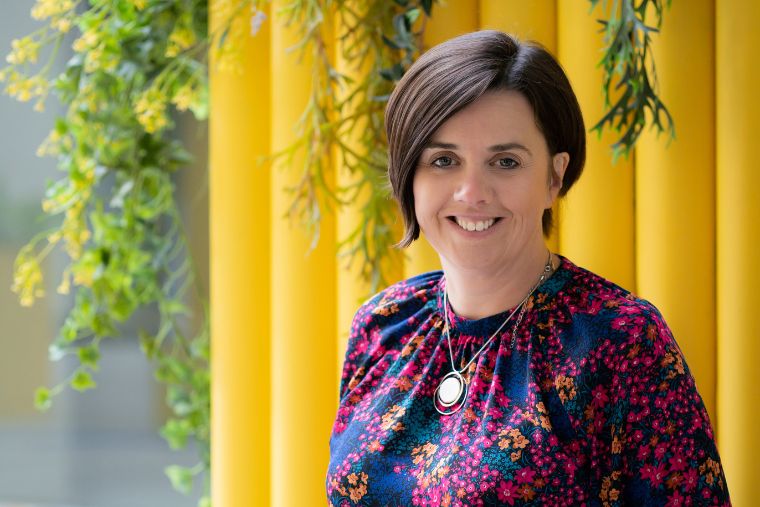
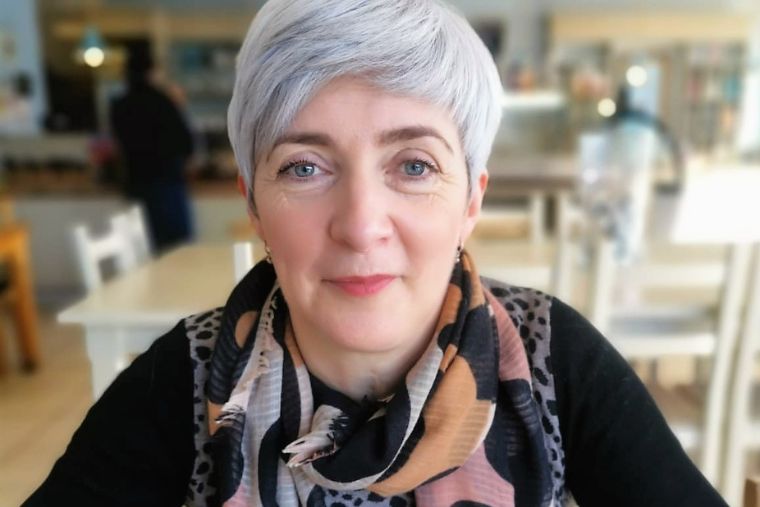
By Sharon McMaw | Thrive Business Consulting
Growth, restructuring, new systems, new locations, new ways of working.
Most organisations, large and small, go through periods where something significant is changing.
At leadership level, much of the focus naturally sits on the strategy:
• What are we trying to achieve?
• What does the new structure or system look like?
• When do we launch?
• What needs to be delivered, and by whom?
On paper, the plan often makes complete sense.
And yet, once the change begins, many leaders find it feels harder than expected.
Momentum slows.
Questions keep resurfacing.
Different parts of the organisation move at different speeds.
And there’s a lingering sense that the message hasn’t quite landed.
In most cases, the strategy isn’t the issue.
It’s the people side of the change.
What actually changes when organisations change
Most change in a business shows up as something tangible:
• A new system
• A new process
• A new structure
• A new location
• A new product or service
• A new way of working with customers or partners
These are the visible, operational elements of change.
But every one of them requires people to behave differently.
They may need to:
• Use new tools
• Follow new processes
• Make different decisions
• Work with new colleagues
• Serve customers in new ways
In other words, every structural or operational change is, at its core, a behavioural change.
That is why the people side matters so much.
Research from PwC suggests that around 70% of transformations fail due to a lack of user adoption and behavioural change.
The strategy may be sound.
The technology may work.
But if people do not understand the change, believe in it, or know how to work differently, the change struggles to take hold.
Change is more than communication
Communication is a critical part of any change, but on its own it is not change management.
Effective change is a journey for people, not just a project plan.
It begins well before launch and continues long after the initial announcement.
When the people side is left until late in the day, leaders often find themselves:
• Repeating messages
• Addressing confusion
• Trying to rebuild trust
• Slowing delivery while alignment catches up
Successful change usually involves:
• Clear leadership alignment from the outset
• A consistent narrative about what is changing and why
• Thoughtful stakeholder engagement
• Support for people as they adapt their roles and behaviours
• Communication that evolves throughout the journey
And a key part of this sits with line managers.
For most employees, “the organisation” is their direct manager.
If that manager is unclear, unconvinced, or saying something different from the leadership narrative, the change quickly loses coherence.
Making change stick
Across both SMEs and larger organisations, the same patterns tend to appear when the people side is overlooked: mixed messages, uncertainty, repeated questions, and quiet disengagement.
When leaders focus on the people side early, alongside the strategy and delivery plan, change is far more likely to land well. Alignment comes faster, momentum is easier to maintain, and the organisation spends less time correcting misunderstandings, helping results and return on investment show up sooner.
Through Women in Business, I’m currently offering two practical, member-exclusive options for leaders who want support in this area:
• A Change Clarity Power Hour for focused insight on a specific challenge
• An 8-week Change Navigation Programme for those leading more complex or sustained change
Both are designed to provide practical, senior-level support to help leaders navigate change with greater clarity and confidence.
Growth, restructuring, new systems, new locations, new ways of working.
Most organisations, large and small, go through periods where something significant is changing.
At leadership level, much of the focus naturally sits on the strategy:
• What are we trying to achieve?
• What does the new structure or system look like?
• When do we launch?
• What needs to be delivered, and by whom?
On paper, the plan often makes complete sense.
And yet, once the change begins, many leaders find it feels harder than expected.
Momentum slows.
Questions keep resurfacing.
Different parts of the organisation move at different speeds.
And there’s a lingering sense that the message hasn’t quite landed.
In most cases, the strategy isn’t the issue.
It’s the people side of the change.
What actually changes when organisations change
Most change in a business shows up as something tangible:
• A new system
• A new process
• A new structure
• A new location
• A new product or service
• A new way of working with customers or partners
These are the visible, operational elements of change.
But every one of them requires people to behave differently.
They may need to:
• Use new tools
• Follow new processes
• Make different decisions
• Work with new colleagues
• Serve customers in new ways
In other words, every structural or operational change is, at its core, a behavioural change.
That is why the people side matters so much.
Research from PwC suggests that around 70% of transformations fail due to a lack of user adoption and behavioural change.
The strategy may be sound.
The technology may work.
But if people do not understand the change, believe in it, or know how to work differently, the change struggles to take hold.
Change is more than communication
Communication is a critical part of any change, but on its own it is not change management.
Effective change is a journey for people, not just a project plan.
It begins well before launch and continues long after the initial announcement.
When the people side is left until late in the day, leaders often find themselves:
• Repeating messages
• Addressing confusion
• Trying to rebuild trust
• Slowing delivery while alignment catches up
Successful change usually involves:
• Clear leadership alignment from the outset
• A consistent narrative about what is changing and why
• Thoughtful stakeholder engagement
• Support for people as they adapt their roles and behaviours
• Communication that evolves throughout the journey
And a key part of this sits with line managers.
For most employees, “the organisation” is their direct manager.
If that manager is unclear, unconvinced, or saying something different from the leadership narrative, the change quickly loses coherence.
Making change stick
Across both SMEs and larger organisations, the same patterns tend to appear when the people side is overlooked: mixed messages, uncertainty, repeated questions, and quiet disengagement.
When leaders focus on the people side early, alongside the strategy and delivery plan, change is far more likely to land well. Alignment comes faster, momentum is easier to maintain, and the organisation spends less time correcting misunderstandings, helping results and return on investment show up sooner.
Through Women in Business, I’m currently offering two practical, member-exclusive options for leaders who want support in this area:
• A Change Clarity Power Hour for focused insight on a specific challenge
• An 8-week Change Navigation Programme for those leading more complex or sustained change
Both are designed to provide practical, senior-level support to help leaders navigate change with greater clarity and confidence.
Friday 13 February 2026













 Get in touch with us