


 Contact us
 Share on social
 Share with a friend
Share on social

 Facebook
-
 LinkedIn
 Twitter
Understanding Your Options for Care in Northern Ireland
Monday 4 May 2026
.png?lang=en-GB&ext=.png)
When families first come to us, one of the most common things I hear is: “I don’t know where to start.” And I completely understand, navigating care in Northern Ireland can feel overwhelming, especially at a time of crisis. There are Trust-arranged services, private options, direct payments, and a range of benefits, all with slightly different rules. My goal, as the Director of Home Instead and the Registered Care Manager, is to help families understand what’s available so they can make decisions that work for their loved ones and for themselves.
The Role of the Social Worker
Most care journeys in Northern Ireland begin with a social worker. They carry out a needs assessment to determine what level of support is required. This might include personal care, mobility support, medication reminders, or help with household tasks. You can either ask your GP to refer you or contact your local HSC Trust and ask for a needs assessment.
Families should feel encouraged to be open and honest throughout this process. Rather than simply listing needs, it’s far more helpful to describe the kind of life your loved one wants to lead, the challenges they face, and how those difficulties affect their day-to-day wellbeing. Care is not just about completing tasks; it’s about supporting independence, dignity, comfort, and quality of life. A skilled social worker will take the time to understand this bigger picture and work alongside you to explore all available options, including funding routes such as direct payments.
Trust-Arranged Care
Trust-arranged care plays an essential role in providing safety, structure, and a reliable baseline of support for people living in their own homes. A social worker will carry out an assessment to understand an individual’s needs and determine the level of support they are entitled to, including the number of care hours required. For many families, this provision meets their needs well.
Along with a wide time window for visits, Trust visits are often time-limited, mostly 15 minutes. During this, carers focus on essential tasks such as personal care or medication support. While this is invaluable for maintaining safety, it can leave little opportunity for companionship or more meaningful, person-centred activities. For this reason, some families explore additional or alternative private care options to allow for greater flexibility, continuity, and choice in how support is delivered.
Direct Payments and Choice
Direct payments are one of the most empowering options available in Northern Ireland. Rather than having care arranged by the Trust, funding is provided directly to the individual or family. This gives you real choice and control, from selecting your care provider to deciding visit times, and even ensuring continuity with a small number of Care Professionals.
This flexibility allows care to focus on quality of life, not just completing tasks. There is time for meaningful, person-centred support delivered with dignity and patience. Care can also include activities that truly enhance wellbeing, whether that’s a trip to the library, a walk in the local park, or help with bringing to appointments. These moments of connection and engagement can make a significant difference day to day.
However, it’s important to understand that managing direct payments comes with responsibilities. If you choose to employ a private carer directly, you must ensure appropriate insurance is in place, including employer’s liability insurance. This can feel complex and time-consuming for many families. That’s why many people choose to work with an established care provider. By doing so, you still benefit from the flexibility of direct payments, but with the reassurance that carers are fully insured, trained, vetted, and compliant with RQIA (Regulation and Quality Improvement Authority). It removes the administrative burden while maintaining high standards of care, allowing families to focus on what matters most: quality time with their loved one.
Also to note, if a power of attorney is in place or in the process, it can take time to set up direct payments. This is something to consider at the start of your care journey.
Managed Budgets
For families who want more flexibility but don’t feel ready to manage everything themselves, a managed budget can be a helpful option. Sometimes referred to as a third-party arrangement, this is where the Trust allocates funding, but instead of paying it directly to you, it is managed on your behalf by an approved organisation or care provider.
This approach offers some of the benefits of direct payments, such as greater choice and more personalised care, without the responsibility of handling payroll, insurance, or administration. The provider ensures that carers are appropriately trained, insured, and compliant with standards set by the RQIA, giving families peace of mind.
However, it’s important to be aware that each Trust in Northern Ireland may operate slightly differently when it comes to managed budgets. In some cases, the Trust may select the care provider on your behalf, which can limit choice and flexibility. Additionally, some Trusts may not allow families to “top up” funding if they wish to increase visit length or frequency beyond what has been allocated. Because of these variations, it’s always worth discussing the options in detail with your social worker to understand what is possible within your local Trust area.
Financial Support
Care can be expensive, and many families worry about how to make it affordable. That’s why it’s important to understand the range of benefits available in Northern Ireland:
• Attendance Allowance – This benefit helps older people who need extra help at home due to illness or disability. It’s designed to support independence and can help fund additional care, home adaptations, or equipment. https://www.nidirect.gov.uk/articles/attendance-allowance
• Carer’s Allowance – Even if you don’t think of yourself as a carer, you may still qualify. Carer’s Allowance recognises the time and effort involved in looking after someone and can provide financial relief for family carers. https://www.gov.uk/carers-allowance
• Health Benefits – Everyone in Northern Ireland is eligible for free NHS prescriptions. There may also be help with other NHS costs, such as dental care, eye tests, and mobility aids, which can take some of the financial pressure off families.
• Bereavement Benefits – If a spouse or civil partner has died, there may be financial support available. This can help families focus on emotional recovery without immediate financial stress.
A Different Approach to Care
At Home Instead, we focus on care that puts the person first. Our visits are a minimum of one hour, giving Care Professionals the time to do tasks properly while also offering companionship and engagement. This isn’t just about physical assistance; it’s about enhancing quality of life.
We make sure families have continuity, meaning the same familiar Care Professionals visit each time. This builds trust and confidence, especially for people with dementia or anxiety. Flexibility is another cornerstone; families can choose the times that work best for them. As we have time built into every visit, care can include meaningful activities: walks, library trips, baking, along with doing household chores like changing the bedsheets, ironing and groceries. We see daily how this approach improves mood, reduces loneliness, and keeps people engaged with life.
Personal care is delivered with patience and dignity. Taking the time to do things properly, whether washing or dressing, allows the individual to remain as independent as possible while feeling respected and valued.
Final Thoughts
Every family’s situation is unique, and every person’s needs are different. The key is understanding the full range of options and combining them in a way that works in real life. Care is not just about completing tasks; it’s about maintaining independence, providing companionship, and helping people continue to enjoy the life they love.
The reality is that there isn’t a one-size-fits-all solution. Trust support provides an essential foundation. Direct payments and managed budgets allow flexibility and greater choice in how care is delivered. Benefits such as Attendance Allowance and Carer’s Allowance can make additional care achievable.
Many families find that combining these options gives them the best of all worlds: safety and oversight through the Trust, flexibility and continuity through direct payments or managed budgets, and meaningful, relationship-led support through private care.
At Home Instead, we are proud to help families make this possible. We’re not just providing care, we’re helping people live well at home, with choice, continuity, and the respect they deserve. Helping people live, not just exist. And that, in my view, is what great care should always be about.
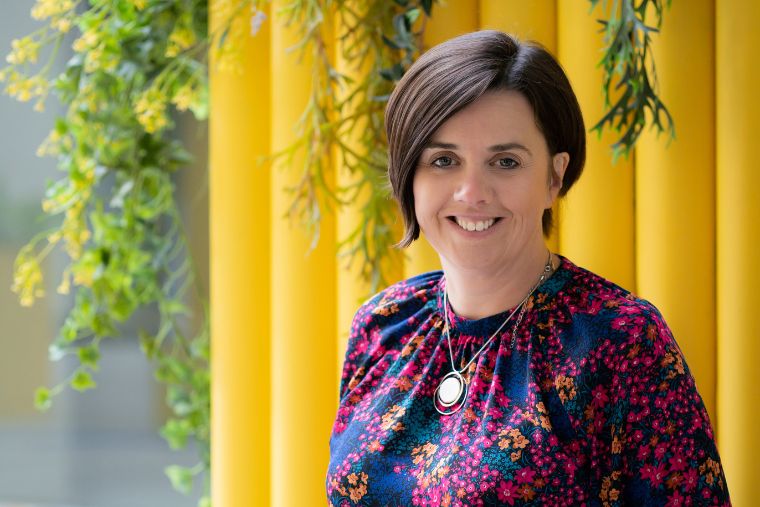
Louise McLaughlin
Director & Registered Care Manager at Home Instead Belfast & Ballymena
LinkedIn: https://www.linkedin.com/in/louise-mclaughlin-0021aa13a
The Role of the Social Worker
Most care journeys in Northern Ireland begin with a social worker. They carry out a needs assessment to determine what level of support is required. This might include personal care, mobility support, medication reminders, or help with household tasks. You can either ask your GP to refer you or contact your local HSC Trust and ask for a needs assessment.
Families should feel encouraged to be open and honest throughout this process. Rather than simply listing needs, it’s far more helpful to describe the kind of life your loved one wants to lead, the challenges they face, and how those difficulties affect their day-to-day wellbeing. Care is not just about completing tasks; it’s about supporting independence, dignity, comfort, and quality of life. A skilled social worker will take the time to understand this bigger picture and work alongside you to explore all available options, including funding routes such as direct payments.
Trust-Arranged Care
Trust-arranged care plays an essential role in providing safety, structure, and a reliable baseline of support for people living in their own homes. A social worker will carry out an assessment to understand an individual’s needs and determine the level of support they are entitled to, including the number of care hours required. For many families, this provision meets their needs well.
Along with a wide time window for visits, Trust visits are often time-limited, mostly 15 minutes. During this, carers focus on essential tasks such as personal care or medication support. While this is invaluable for maintaining safety, it can leave little opportunity for companionship or more meaningful, person-centred activities. For this reason, some families explore additional or alternative private care options to allow for greater flexibility, continuity, and choice in how support is delivered.
Direct Payments and Choice
Direct payments are one of the most empowering options available in Northern Ireland. Rather than having care arranged by the Trust, funding is provided directly to the individual or family. This gives you real choice and control, from selecting your care provider to deciding visit times, and even ensuring continuity with a small number of Care Professionals.
This flexibility allows care to focus on quality of life, not just completing tasks. There is time for meaningful, person-centred support delivered with dignity and patience. Care can also include activities that truly enhance wellbeing, whether that’s a trip to the library, a walk in the local park, or help with bringing to appointments. These moments of connection and engagement can make a significant difference day to day.
However, it’s important to understand that managing direct payments comes with responsibilities. If you choose to employ a private carer directly, you must ensure appropriate insurance is in place, including employer’s liability insurance. This can feel complex and time-consuming for many families. That’s why many people choose to work with an established care provider. By doing so, you still benefit from the flexibility of direct payments, but with the reassurance that carers are fully insured, trained, vetted, and compliant with RQIA (Regulation and Quality Improvement Authority). It removes the administrative burden while maintaining high standards of care, allowing families to focus on what matters most: quality time with their loved one.
Also to note, if a power of attorney is in place or in the process, it can take time to set up direct payments. This is something to consider at the start of your care journey.
Managed Budgets
For families who want more flexibility but don’t feel ready to manage everything themselves, a managed budget can be a helpful option. Sometimes referred to as a third-party arrangement, this is where the Trust allocates funding, but instead of paying it directly to you, it is managed on your behalf by an approved organisation or care provider.
This approach offers some of the benefits of direct payments, such as greater choice and more personalised care, without the responsibility of handling payroll, insurance, or administration. The provider ensures that carers are appropriately trained, insured, and compliant with standards set by the RQIA, giving families peace of mind.
However, it’s important to be aware that each Trust in Northern Ireland may operate slightly differently when it comes to managed budgets. In some cases, the Trust may select the care provider on your behalf, which can limit choice and flexibility. Additionally, some Trusts may not allow families to “top up” funding if they wish to increase visit length or frequency beyond what has been allocated. Because of these variations, it’s always worth discussing the options in detail with your social worker to understand what is possible within your local Trust area.
Financial Support
Care can be expensive, and many families worry about how to make it affordable. That’s why it’s important to understand the range of benefits available in Northern Ireland:
• Attendance Allowance – This benefit helps older people who need extra help at home due to illness or disability. It’s designed to support independence and can help fund additional care, home adaptations, or equipment. https://www.nidirect.gov.uk/articles/attendance-allowance
• Carer’s Allowance – Even if you don’t think of yourself as a carer, you may still qualify. Carer’s Allowance recognises the time and effort involved in looking after someone and can provide financial relief for family carers. https://www.gov.uk/carers-allowance
• Health Benefits – Everyone in Northern Ireland is eligible for free NHS prescriptions. There may also be help with other NHS costs, such as dental care, eye tests, and mobility aids, which can take some of the financial pressure off families.
• Bereavement Benefits – If a spouse or civil partner has died, there may be financial support available. This can help families focus on emotional recovery without immediate financial stress.
A Different Approach to Care
At Home Instead, we focus on care that puts the person first. Our visits are a minimum of one hour, giving Care Professionals the time to do tasks properly while also offering companionship and engagement. This isn’t just about physical assistance; it’s about enhancing quality of life.
We make sure families have continuity, meaning the same familiar Care Professionals visit each time. This builds trust and confidence, especially for people with dementia or anxiety. Flexibility is another cornerstone; families can choose the times that work best for them. As we have time built into every visit, care can include meaningful activities: walks, library trips, baking, along with doing household chores like changing the bedsheets, ironing and groceries. We see daily how this approach improves mood, reduces loneliness, and keeps people engaged with life.
Personal care is delivered with patience and dignity. Taking the time to do things properly, whether washing or dressing, allows the individual to remain as independent as possible while feeling respected and valued.
Final Thoughts
Every family’s situation is unique, and every person’s needs are different. The key is understanding the full range of options and combining them in a way that works in real life. Care is not just about completing tasks; it’s about maintaining independence, providing companionship, and helping people continue to enjoy the life they love.
The reality is that there isn’t a one-size-fits-all solution. Trust support provides an essential foundation. Direct payments and managed budgets allow flexibility and greater choice in how care is delivered. Benefits such as Attendance Allowance and Carer’s Allowance can make additional care achievable.
Many families find that combining these options gives them the best of all worlds: safety and oversight through the Trust, flexibility and continuity through direct payments or managed budgets, and meaningful, relationship-led support through private care.
At Home Instead, we are proud to help families make this possible. We’re not just providing care, we’re helping people live well at home, with choice, continuity, and the respect they deserve. Helping people live, not just exist. And that, in my view, is what great care should always be about.
Louise McLaughlin
Director & Registered Care Manager at Home Instead Belfast & Ballymena
LinkedIn: https://www.linkedin.com/in/louise-mclaughlin-0021aa13a
Author Louise McLaughlin
Monday 4 May 2026




















 Get in touch with us